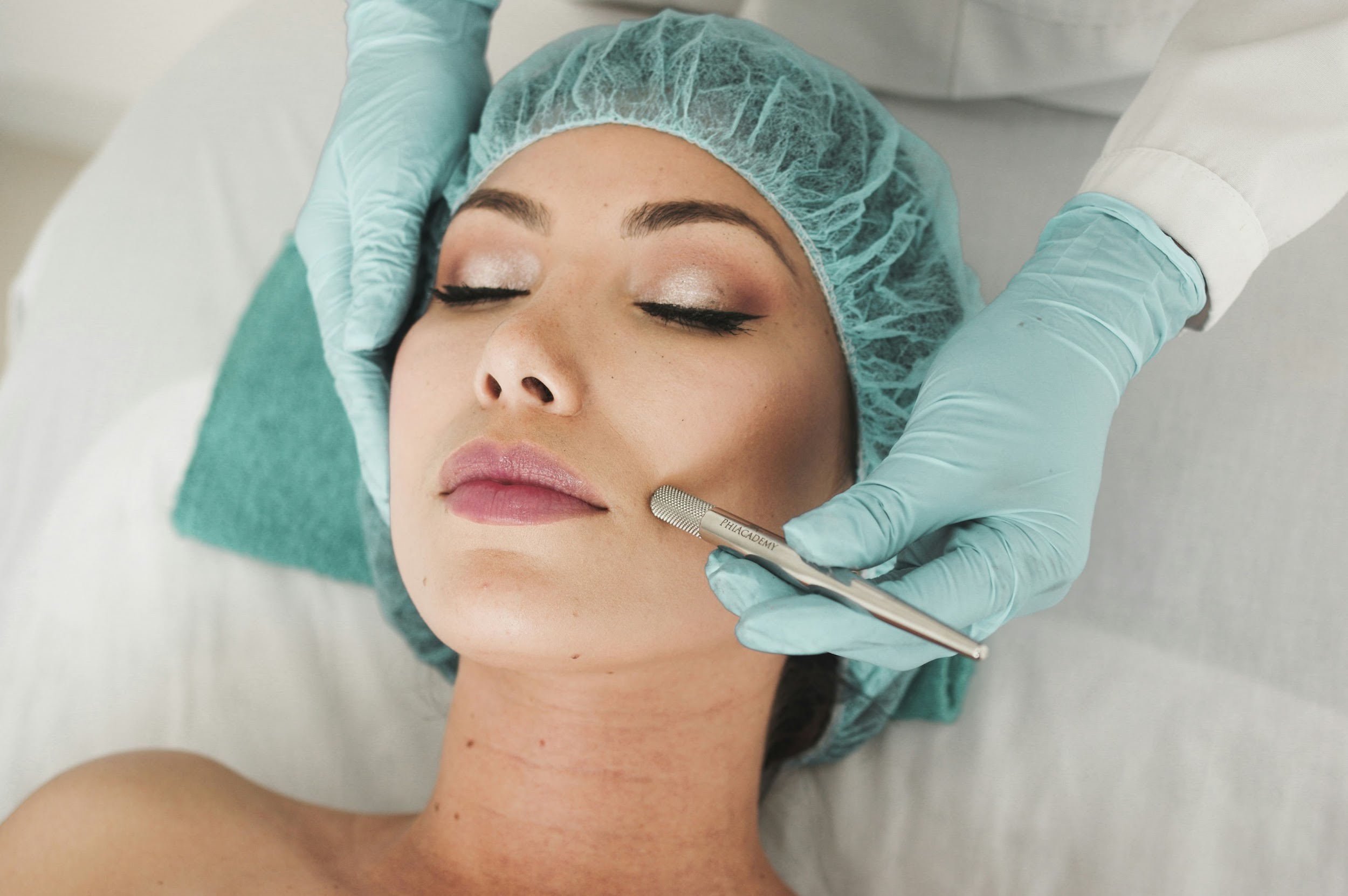
Prolotherapy vs. PRP: Comparing Two Treatments to Heal Chronic Pain

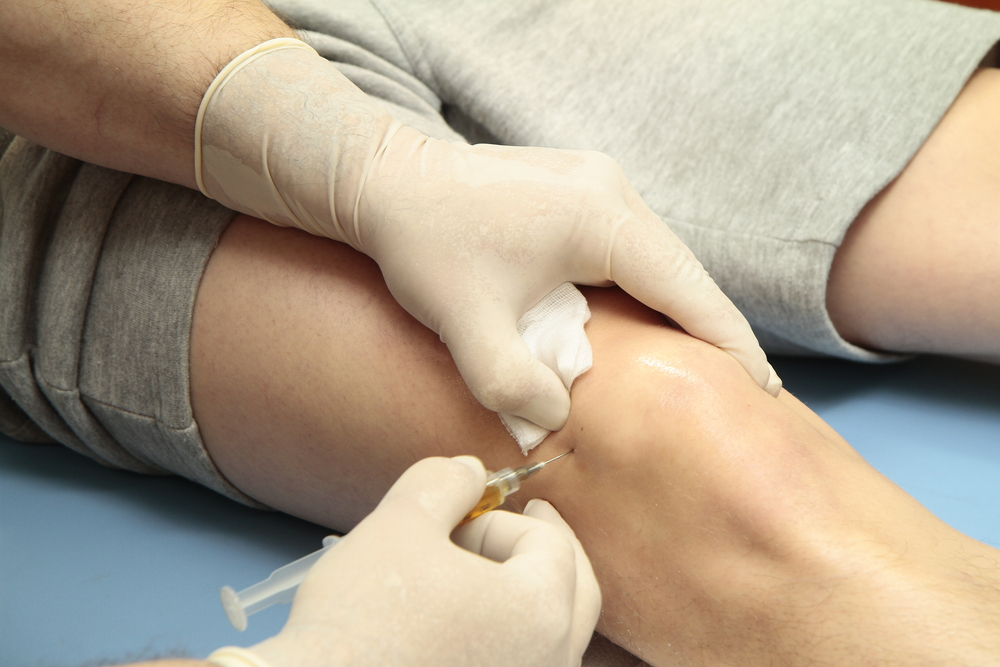
Prolotherapy and platelet-rich plasma (PRP) are two treatments that can help relieve chronic pain by stimulating the body's natural healing process. Both treatments involve injecting a substance into the affected area, but with the use of different substances. Prolotherapy injections typically contain a sugar-like substance or dextrose, while PRP injections contain a concentration of the patient's own platelets [1].
What is Prolotherapy?
Prolotherapy is a non-surgical treatment that uses injections to stimulate the body's natural healing process. It can be used to treat chronic pain, inflammation, and injuries to the joints, ligaments, muscles, and tendons. Your doctor will inject a small amount of an irritant, such as dextrose, into the affected area, causing a controlled inflammatory response.
Benefits of prolotherapy:
- Non-invasive and requires no surgery.
- Safe and has the potential to be effective for a variety of cases.
- Can be used to treat a wide range of musculoskeletal conditions [2].
- Can help to reduce pain and inflammation.
- Can improve function and range of motion.
What is Platelet-rich Plasma (PRP) Therapy
PRP therapy is an injection treatment that uses a patient's blood to stimulate the body's healing factors. PRP treatments are administered by drawing a blood sample and placing it into a centrifuge to split the different blood cells.
Advantages of PRP therapy:
- Stimulates collagen production to improve skin quality and elasticity.
- Effective in treating injuries in the tendons, muscles, and ligaments [3][4].
- Supports speedy wound healing.
- Non-surgical alternative for musculoskeletal issues [5].
- Can reduce the need for opioids and painkillers for post-op recovery.
Comparison Between Prolotherapy And PRP Injections
Dextrose Prolotherapy
- Uses sugar-based solution or dextrose
- Typically requires 4–6 treatment sessions
- Less expensive than PRP therapy
- Can treat a wide range of musculoskeletal conditions
Platelet Rich Plasma Therapy
- Uses patient's own platelets
- Typically requires 2–4 treatment sessions
- More expensive but may be more effective for certain conditions
- Can treat arthritis, tendonitis, ligament sprains, muscle strains, and cosmetic issues
Benefits of Platelet-Rich Plasma Therapy
- More effective than prolotherapy for some conditions, such as arthritis and tendonitis.
- Requires fewer injections than prolotherapy.
- Can also be used to treat inflammatory conditions and for cosmetic purposes.
- Has been shown to be effective in treating hair loss.
- Can improve the appearance of skin, reducing wrinkles and scars.
PRP Therapy vs. Prolotherapy: Which is Better?
Other factors to consider:
- The cost: PRP therapy is typically more expensive than prolotherapy.
- The number of injections: PRP therapy typically requires fewer injections.
- The side effects: Both are generally safe, with potential for pain at injection site, swelling, and a low risk of infection.
How to Prepare for PRP or Prolotherapy
- Avoid alcohol and smoking in the days leading up to treatment.
- Eat a healthy diet with plenty of fruits, vegetables, and whole grains.
- Drink plenty of water — at least eight glasses per day.
- Get enough sleep — seven to eight hours per night.
- Avoid strenuous exercise for at least 24 hours before and after treatment.
- Tell your doctor about any changes in your health.
Takeaway
Prolotherapy and PRP are both effective treatments for chronic musculoskeletal pain. PRP may be more effective for certain conditions, such as arthritis and tendonitis. However, PRP is also more expensive than prolotherapy. Ultimately, the best way to decide which treatment is right for you is to talk to your doctor.
Sources
- https://www.ncbi.nlm.nih.gov/pmc/articles/PMC7589810/
- https://www.ncbi.nlm.nih.gov/pmc/articles/PMC4938120/
- https://www.ncbi.nlm.nih.gov/pmc/articles/PMC5004020/
- https://pubmed.ncbi.nlm.nih.gov/21872551/
- https://www.painphysicianjournal.com/current/pdf?article=NDMwOQ%3D%3D&journal=104