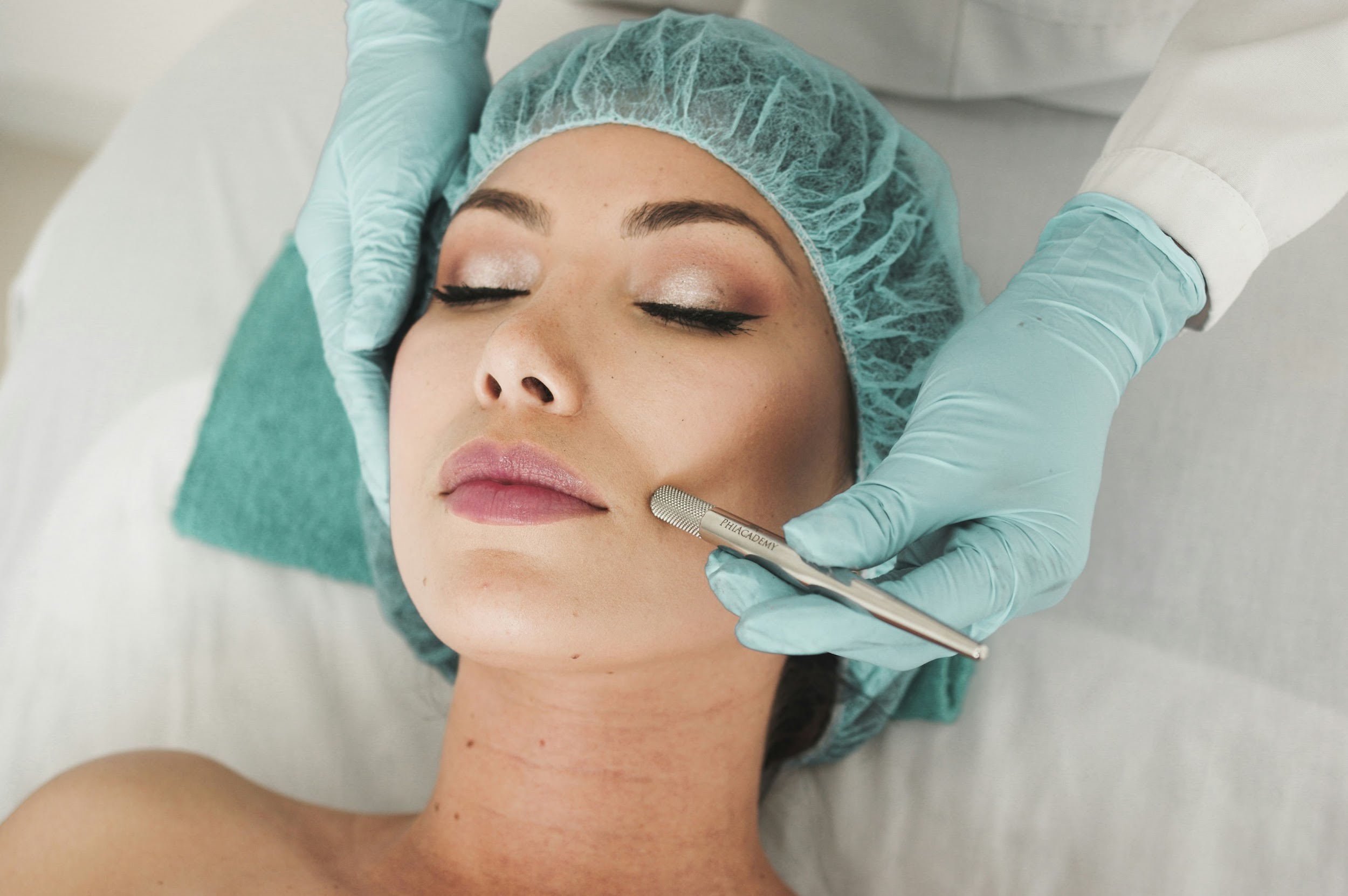
PRP Facial Before and After One Treatment: Evidence-Based Review
- Dr. Naheed Ali, MD, PhD
- Apr 16
- 7 min read
PRP (platelet-rich plasma) treatments—commonly known as vampire facials—are an advanced, non-surgical technique used to restore and improve skin structure, offering minimal downtime for patients. This whitepaper explores the science behind PRP facials, with a focus on their role in stimulating collagen production. It also reviews clinical research demonstrating significant visible improvements after just a single treatment session.
What Does PRP for the Face Do?
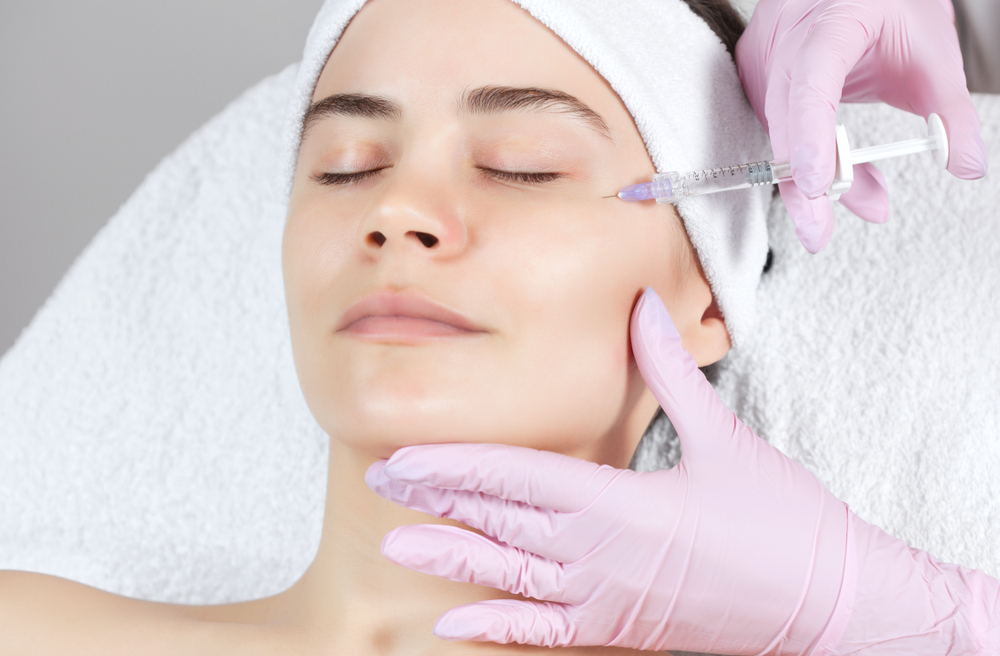
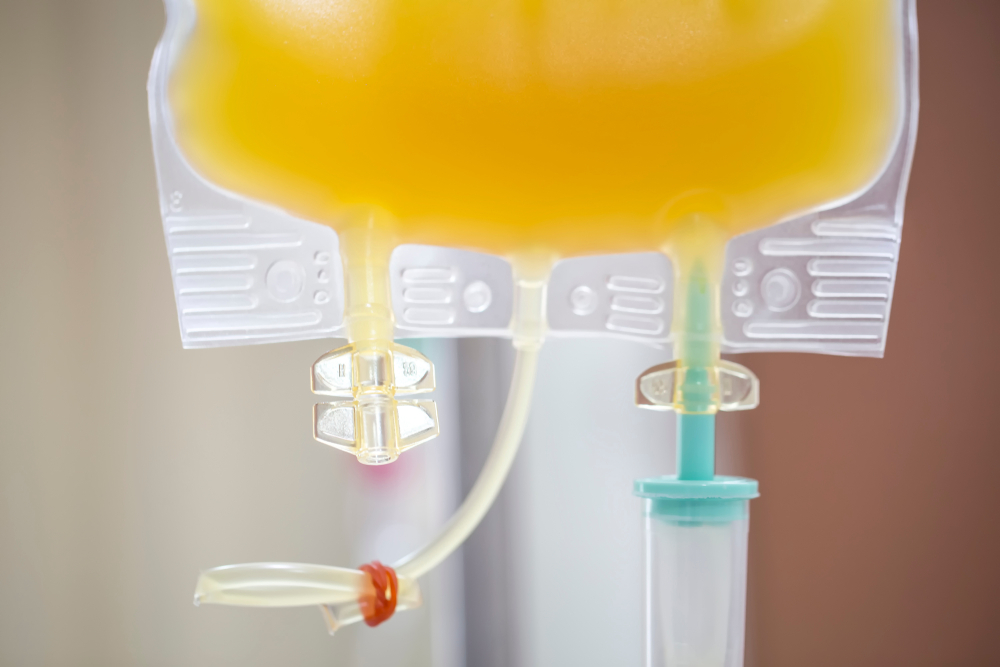
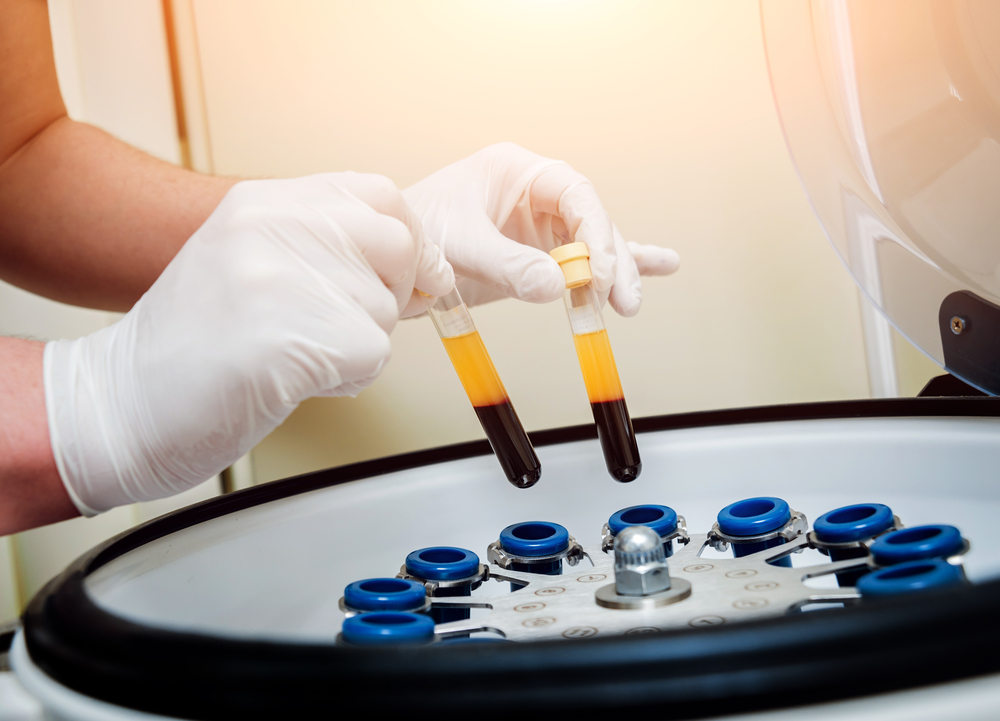
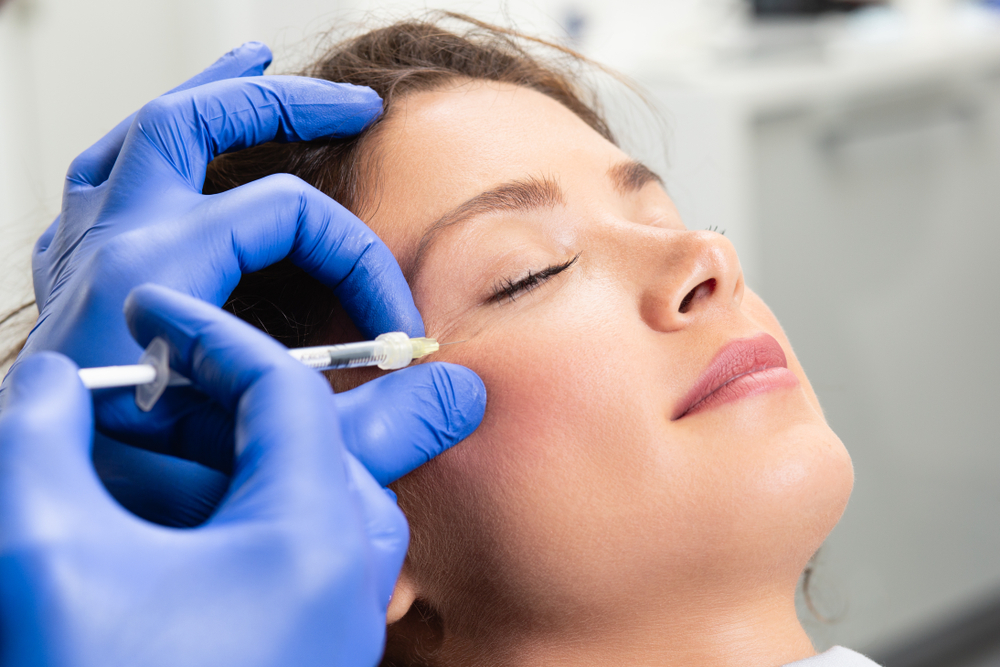
PRP facial treatments harness autologous plasma enriched with a high concentration of concentrated platelets to enhance the skin's inherent capacity for repair and renewal [1]. The procedure starts with venipuncture, whereby a small volume of blood sample is extracted and eventually subjected to centrifugation. This process isolates the platelet-rich plasma, which contains bioactive molecules such as platelet-derived growth factor (PDGF) and transforming growth factor-beta (TGF-β) [2][3][4]. Upon reintroduction into the dermal layers via PRP microneedling or targeted injections, these growth factors activate cellular pathways critical for tissue repair and neocollagenesis [5].
The fundamental biological process involves stimulating dermal fibroblasts, which release collagen and elastin, two essential extracellular matrix components (ECM). This cascade not only stimulates the production of new collagen fibers but also increases cell turnover, improving skin texture and minimizing photodamage [1][4][6][7].
PRP facials activate the skin's intrinsic repair and remodeling pathways, culminating in a refreshed, more resilient cutaneous surface.
The Relationship to Collagen Production
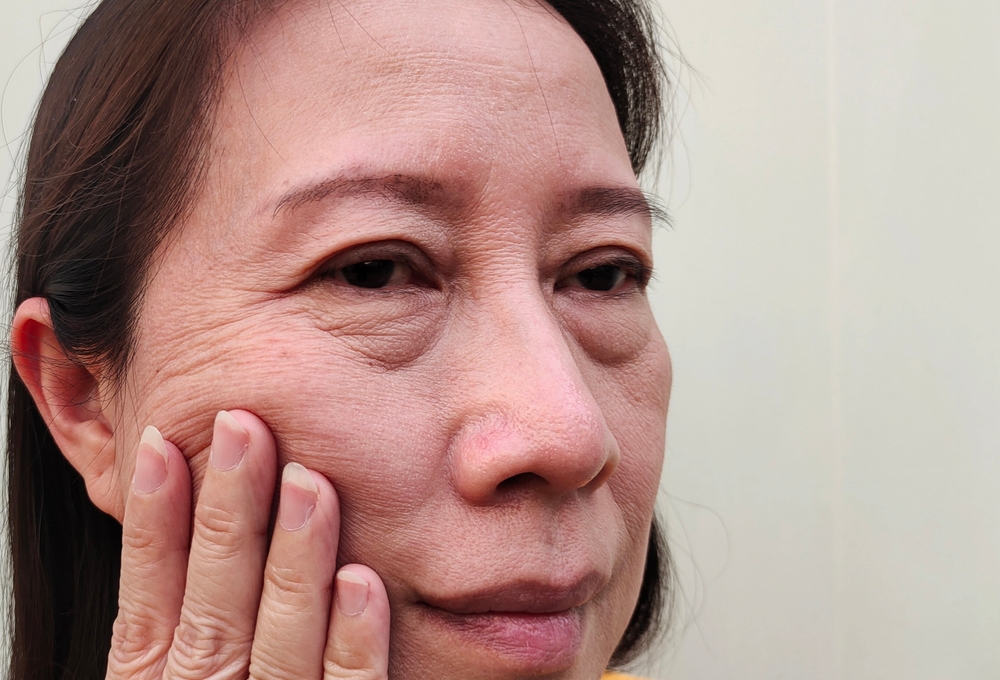
Collagen, a pivotal structural protein, confers tensile strength and elasticity to the skin. With advancing age, the physiological decline in collagen production manifests as dermal thinning, wrinkles, and loss of skin elasticity. PRP treatments are engineered to counteract this decline and boost collagen production by upregulating the natural collagen synthesis pathways, which are vital in combating aging.
Following treatment, the growth factors in PRP drive fibroblast proliferation and metabolic activity, resulting in a significant increase in collagen formation [1]. Empirical findings show that even a single session of PRP may significantly increase collagen density in the dermis, restoring the skin's ECM integrity. This biochemical modulation can lead to mild discomfort and mild swelling, but it is not only vital for cosmetic enhancement; it also supports the structural resilience of the skin [4]. However, several studies found no substantial improvement in skin elasticity, nasolabial fold, or patient satisfaction [8][9][10].

PRP under eye before and after in women 40–49. Post-treatment shows boosted collagen density by 89% versus pre-treatment, resulting in brighter skin and achieving a 1.93:1 improvement over saline (p<0.001) [4].
Empirical Evidence: Before and After Outcomes
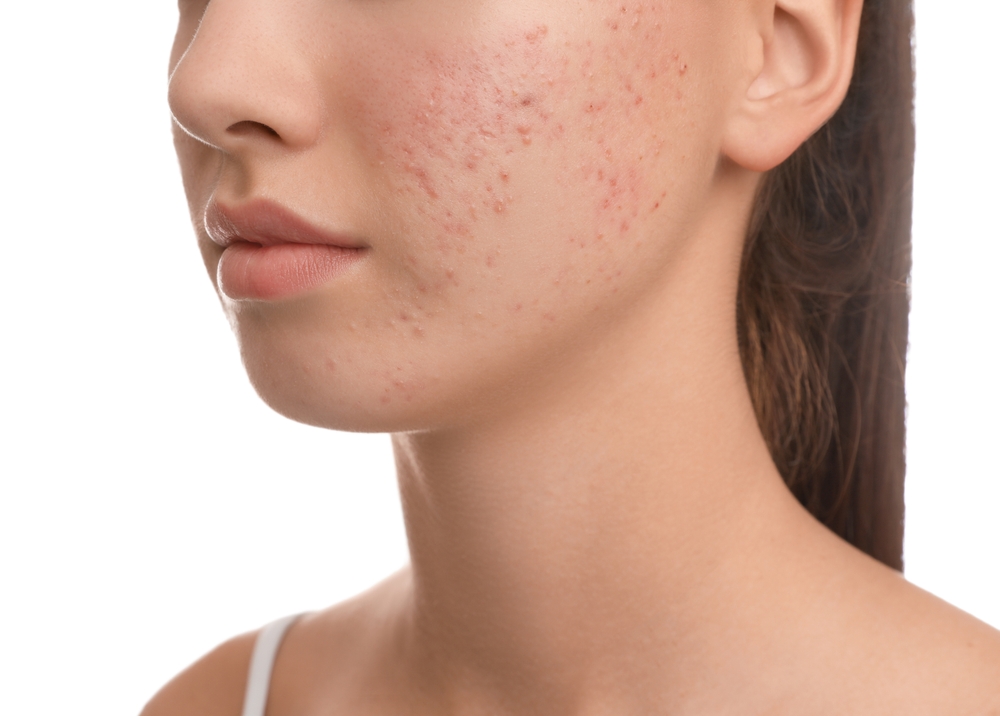
Robust clinical investigations have substantiated the efficacy of PRP facial treatments. Multiple studies have documented substantial “before and after” transformations, emphasizing the treatment's capacity to enhance natural skin, repair skin tightness, and ameliorate textural irregularities. In addition to that, PRP has also shown potential to treat issues like acne scars. Studies show that the growth factors present in PRP treatment stimulate collagen production, which can significantly reduce the appearance of scars and promote smoother, more even skin [11][12].
Key Findings:
Dermal Remodeling:
Patients exhibit a significant reduction in fine lines and wrinkles, particularly in periorbital and perioral regions, attributable to accelerated collagen deposition.
Improved Skin Tone and Texture:
The stimulation of fibroblast activity results in a more uniform and radiant complexion, especially noticeable during the healing period, as observed in the clinical case series.
Enhanced Under-Eye Dark Circles Appearance:
Research focusing on periorbital restoration has demonstrated that PRP under-eye before and after comparisons reveal diminished puffiness and a reduction in dark circles in the deeper layers of the skin.

In a study of 20 melasma patients treated with autologous PRP via microneedling or intradermal injections, TGF-β expression in lesional skin significantly increased from 1.26 ± 0.41 to 2.15 ± 0.44 post-treatment (p < 0.05), approaching levels seen in healthy skin.

Single treatment led to visible facial improvement—fuller fat compartments, reduced nasolabial folds, and a 1.5× boost in skin density lasting 3 months. A small sample size (n=10) and no control group were noted.


In this single-center proof-of-concept study (n=20, ages 30–60), participants received three treatments over 4–6 weeks. Ultrasound revealed significant skin density improvements in the forehead (p=0.0001), cheeks (p=0.0003–0.0116), and lower eyelids (<40s: p=0.0351–0.0238). Limitations include a small sample size and a lack of detailed baseline characteristics.
PRP Facial Procedure: Methodological Overview
The PRP facial protocol is meticulously structured to optimize patient outcomes while minimizing procedural risks. A typical session encompasses the following phases:
Initial Consultation and Assessment: A full dermatological assessment is performed to evaluate the patient's skin type, medical history, and cosmetic goals. This phase confirms that PRP is appropriate for the patient's clinical profile [1][6].
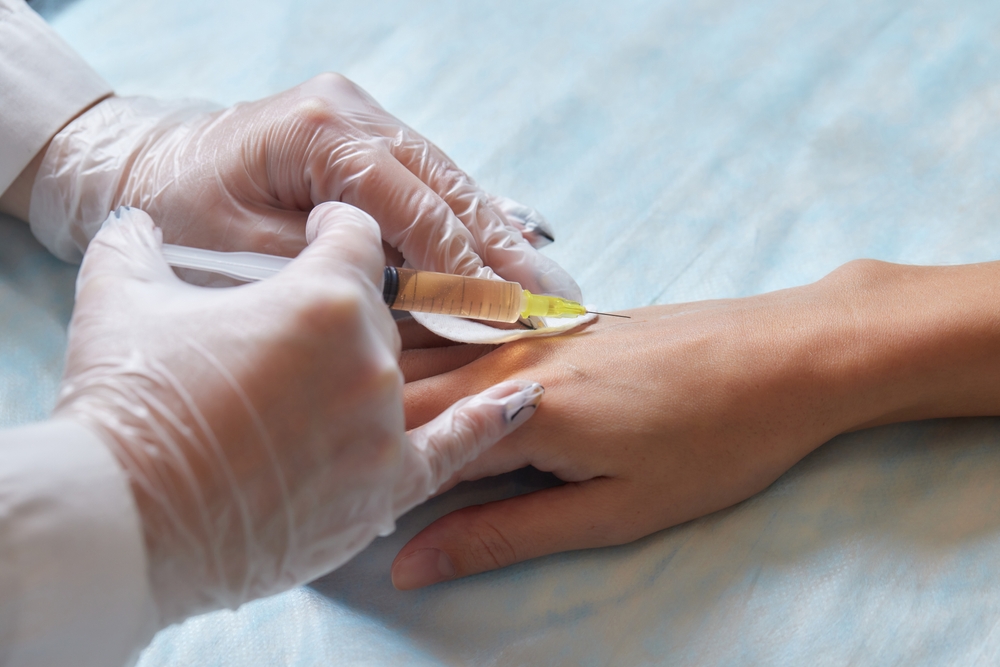
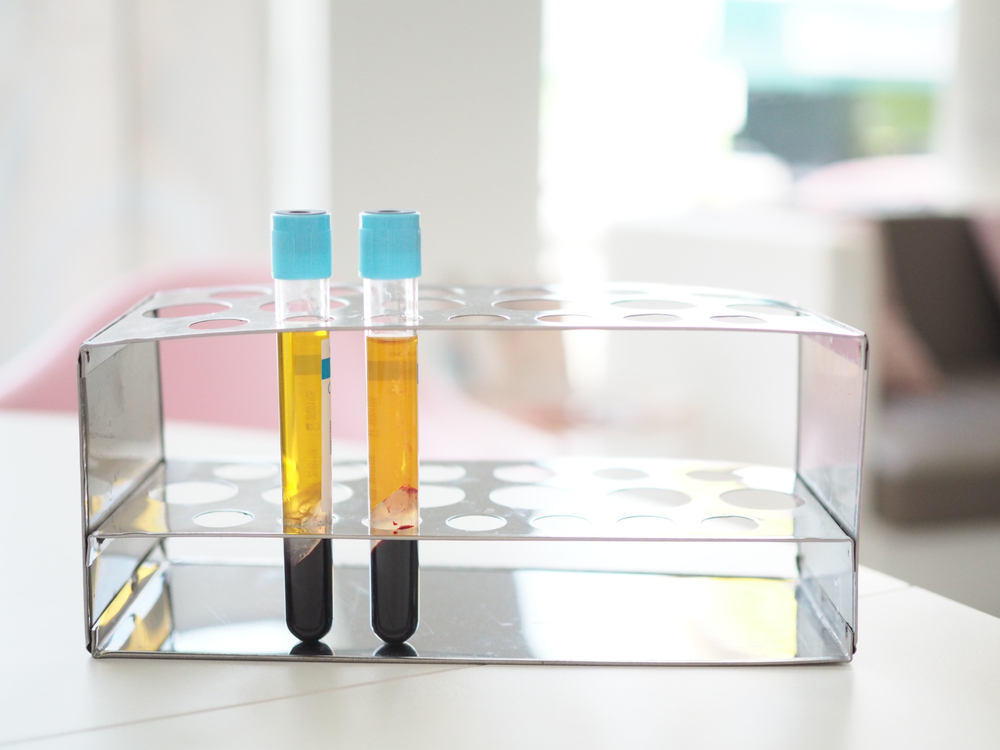
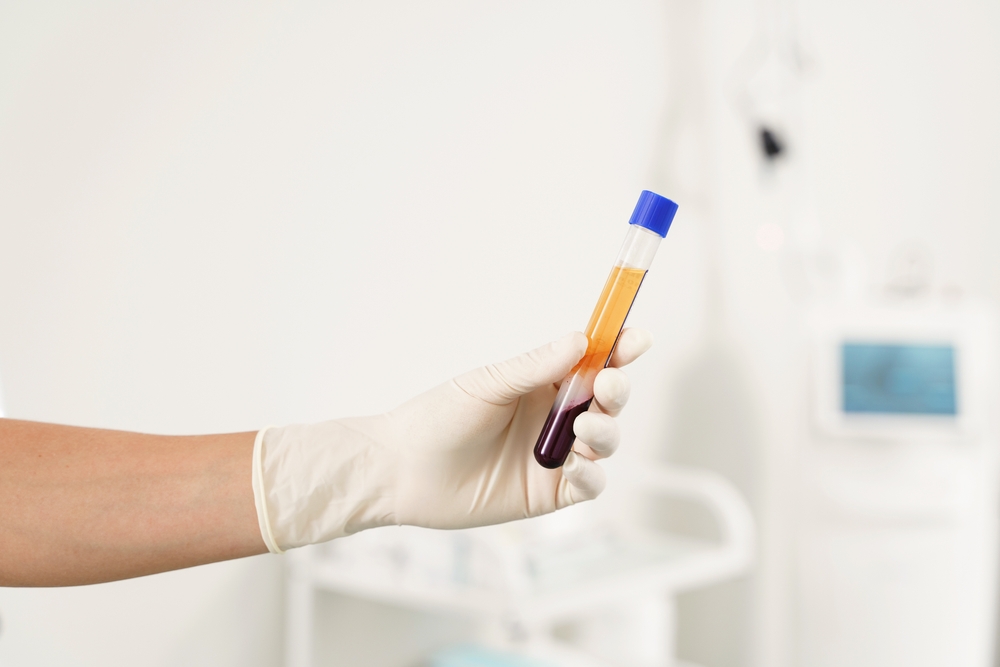
Venipuncture and PRP Extraction: A minimal amount of blood is extracted under sterile circumstances. The sample is centrifuged, which separates the platelet-rich fraction from the erythrocytes and plasma proteins [2].
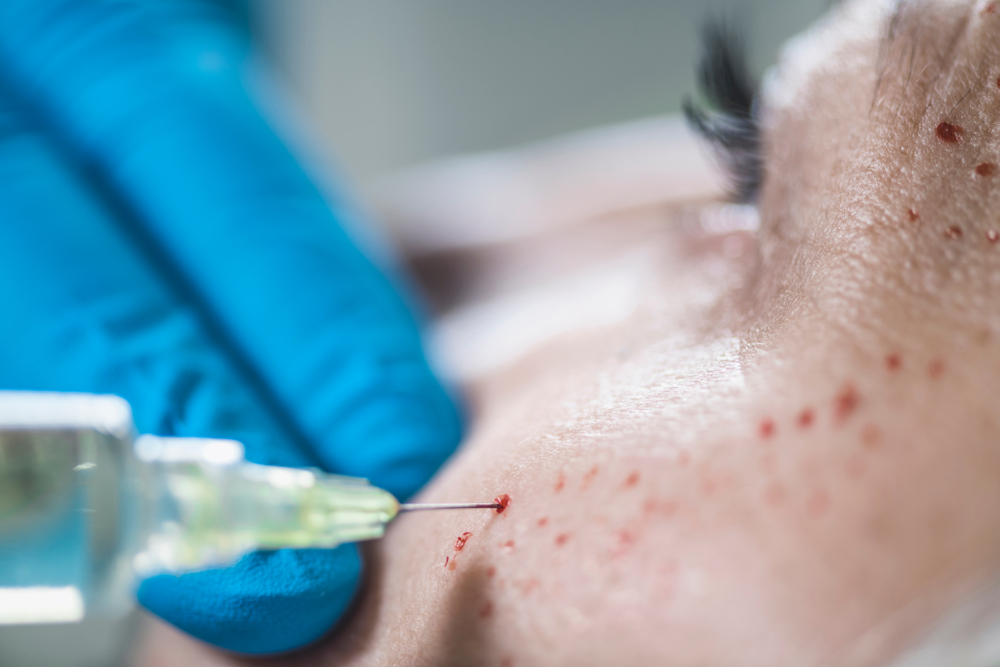
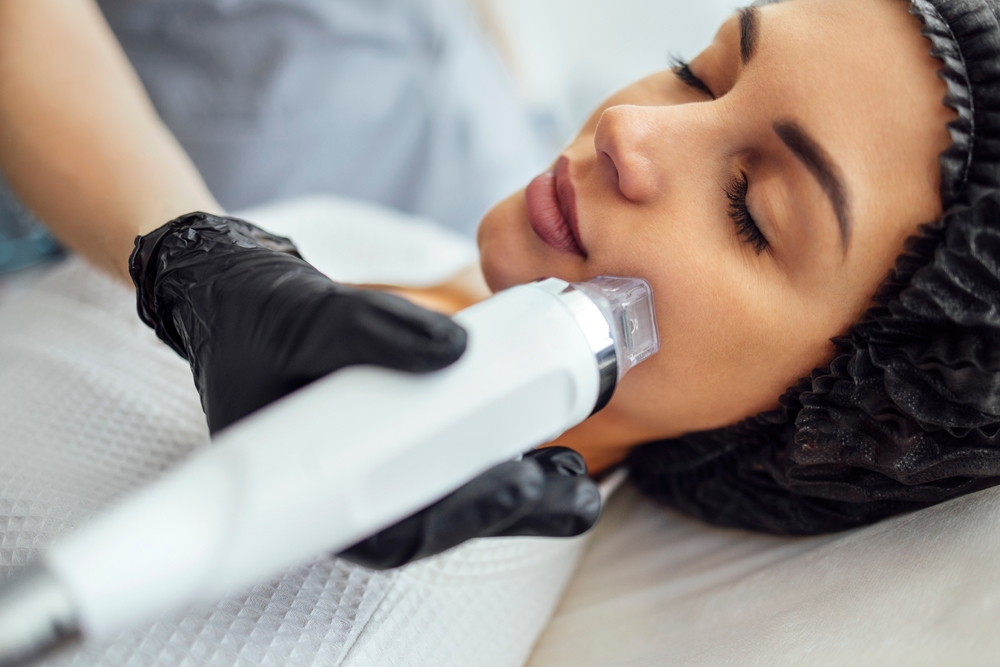
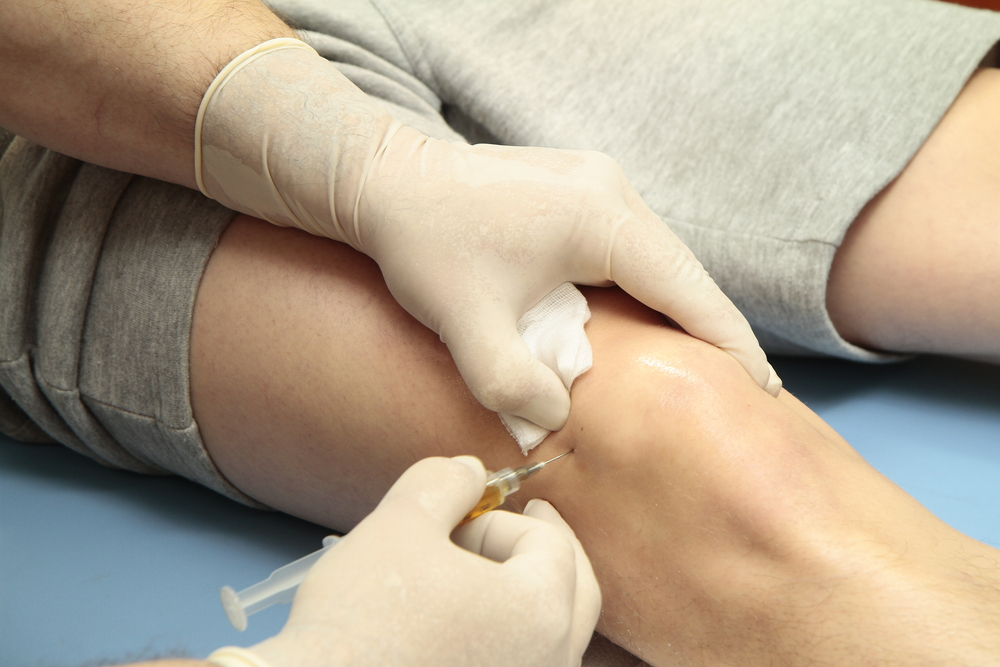
Administration Technique: Concentrated PRP is delivered intradermally through microneedling, which creates transient microchannels to enhance plasma absorption, or via precise injections into target areas. This dual approach ensures maximal bioavailability of growth factors at the site of dermal repair [5][13][14].
Post-Treatment Protocol: Patients may experience transient erythema, edema, or mild bruising at injection sites. Adherence to post-procedural guidelines—such as avoiding ultraviolet exposure and utilizing gentle skincare regimens—is imperative for optimal healing and sustained results [4][7][13].
PRP FAQ
Does PRP work after 1 treatment?
Empirical evidence indicates that a single PRP session can initiate a measurable enhancement in dermal collagen content and skin texture. While the immediate post-treatment improvements are evident and contribute to a refreshed facial glow, the healing process and spectrum of benefits may manifest progressively as neocollagenesis continues over subsequent weeks [4][15].
Is one PRP treatment enough for the face?
For individuals presenting with mild to moderate dermal laxity and photodamage, one session may yield appreciable improvements [1][4][6][15][16][17]. However, for more pronounced skin aging, a series of 3–4 sessions is typically advocated to achieve a cumulative and sustained restorative effect [5][7][18][19].
Is one session of PRP effective?
Yes, one session of PRP is demonstrably effective in stimulating the skin’s restorative processes. The procedure effectively enhances fibroblast activity, leading to an increase in collagen synthesis and helping to reduce fine lines, resulting in smoother skin texture and overall improved skin radiance. Efficacy is contingent upon individual biological variability, including age and baseline skin condition, and often involves the use of a mild cleanser post-treatment to maintain skin health [1][4][6][15][16][17].
How many PRP treatments are needed for the face before and after?
The ideal treatment regimen generally involves multiple sessions, typically 3–4 treatments spaced at intervals to allow progressive collagen remodeling. Subsequent maintenance treatments may be administered to preserve the restorative benefits [5][7][18][19][20][21].
Conclusion
PRP facial treatments represent a sophisticated, biologically driven approach to facial treatments. By harnessing the autologous restorative potential inherent in platelet-rich plasma, this modality effectively stimulates collagen and elastin production, resulting in significant improvements in skin texture, elasticity, and overall appearance, contributing to a refreshed-looking skin. The empirical data and clinical studies reviewed herein substantiate that even a solitary session can yield discernible “before and after” transformations, particularly in cases of early dermal aging.
The biochemical mechanisms that underpin PRP therapy, such as fibroblast stimulation and subsequent neocollagenesis, provide a convincing basis for its use in aesthetic medicine. While several sessions improve the therapy's effectiveness, the early advantages shown after only one treatment offer a solid foundation for its widespread clinical acceptance.
PRP shows promise as a minimally invasive option for facial treatment, with studies reporting improvements in skin quality and hydration, ensuring that the skin is hydrated effectively. However, variability in outcomes, small sample sizes, and limited long-term data highlight the need for further research before it can be widely recommended as an alternative to traditional cosmetic procedures.
About the author: Dr. Ali is a medical journalist and copywriter.
References:
Phoebe LKW, Lee KWA, Chan LKW, et al. Use of platelet rich plasma for skin rejuvenation. Skin Res Technol. 2024;30(4):e13714. doi:10.1111/srt.13714
Dhurat R, Sukesh M. Principles and methods of preparation of platelet-rich plasma: A review and author’s perspective. J Cutan Aesthet Surg. 2014;7(4):189-197. doi:10.4103/0974-2077.150734
Okuda K, Kawase T, Momose M, et al. Platelet-rich plasma contains high levels of platelet-derived growth factor and transforming growth factor-beta and modulates the proliferation of periodontally related cells in vitro. J Periodontol. 2003;74(6):849-857. doi:10.1902/jop.2003.74.6.849
Abuaf OK, Yildiz H, Baloglu H, Bilgili ME, Simsek HA, Dogan B. Histologic evidence of new collagen formulation using platelet rich plasma in skin rejuvenation: A prospective controlled clinical study. Ann Dermatol. 2016;28(6):718-724. doi:10.5021/ad.2016.28.6.718
Asubiaro J, Avajah F. Platelet-rich plasma in aesthetic dermatology: Current evidence and future directions. Cureus. 2024;16(8):e66734. doi:10.7759/cureus.66734
Lee ZH, Sinno S, Poudrier G, et al. Platelet rich plasma for photodamaged skin: A pilot study. J Cosmet Dermatol. 2019;18(1):77-83. doi:10.1111/jocd.12676
Lin MY, Lin CS, Hu S, Chung WH. Progress in the use of platelet-rich plasma in aesthetic and medical dermatology. J Clin Aesthet Dermatol. 2020;13(8):28-35.
Koshkinbayeva A, Ogizbayeva A, Ponamareva O, Omarkulov B, Yutskovskaya Y. Evaluation of the Effectiveness of Injections of Autologous Platelet-Rich Plasma into Facial Skin. Cosmetics. 2024;11(5):175. doi:10.3390/cosmetics11050175
Da Silva LQ, Cancela RBB, De Lima Montalvão SA, et al. The effect of lyophilized platelet rich-plasma on skin aging: a non-randomized, controlled, pilot trial. Archives of Dermatological Research. 2021;313(10):863-871. doi:10.1007/s00403-021-02186-2
Willemsen JCN, Van Dongen J, Spiekman M, et al. The addition of Platelet-Rich plasma to facial lipofilling: a Double-Blind, Placebo-Controlled, randomized trial. Plastic & Reconstructive Surgery. 2017;141(2):331-343. doi:10.1097/prs.0000000000004081
Vidholkar R, Gulanikar A. Efficacy of platelet-rich plasma in acne scars. Clinical Dermatology Review. 2019;3(2):109. doi:10.4103/cdr.cdr_2_19
Long T, Gupta A, Ma S, Hsu S. Platelet‐rich plasma in noninvasive procedures for atrophic acne scars: A systematic review and meta‐analysis. Journal of Cosmetic Dermatology. 2020;19(4):836-844. doi:10.1111/jocd.13331
Badran KW, Nabili V. Lasers, microneedling, and platelet-rich plasma for skin rejuvenation and repair. Facial Plast Surg Clin North Am. 2018;26(4):455-468. doi:10.1016/j.fsc.2018.06.007
Hofny ERM, Hussein MRA, Ghazally A, Ahmed AM, Abdel-Motaleb AA. Increased expression of TGF-β protein in the lesional skins of melasma patients following treatment with platelet-rich plasma. J Cosmet Laser Ther. 2019;21(7-8):382-389. doi:10.1080/14764172.2019.1668016
Majewska L. Autologous plasma gel as an effective method of facial volume restoration and skin rejuvenation. Dermatol Ther. 2023;2023(1). doi:10.1155/2023/9989544
Elnehrawy NY, Ibrahim ZA, Eltoukhy AM, Nagy HM. Assessment of the efficacy and safety of single platelet-rich plasma injection on different types and grades of facial wrinkles. J Cosmet Dermatol. 2017;16(1):103-111. doi:10.1111/jocd.12258
Alam M, Hughart R, Champlain A, et al. Effect of platelet-rich plasma injection for rejuvenation of photoaged facial skin: A randomized clinical trial. JAMA Dermatol. 2018;154(12):1447-1452. doi:10.1001/jamadermatol.2018.3977
Aust M, Pototschnig H, Jamchi S, Busch KH. Platelet-rich plasma for skin rejuvenation and treatment of actinic elastosis in the lower eyelid area. Cureus. 2018;10(7):e2999. doi:10.7759/cureus.2999
Evans AG, Ivanic MG, Botros MA, et al. Rejuvenating the periorbital area using platelet-rich plasma: a systematic review and meta-analysis. Arch Derm Res. 2021;313(9):711-727. doi:10.1007/s00403-020-02173-z
Yuksel EP, Sahin G, Aydin F, Senturk N, Turanli AY. Evaluation of effects of platelet-rich plasma on human facial skin. J Cosmet Laser Ther. 2014;16(5):206-208. doi:10.3109/14764172.2014.949274
Majewska L, Kijowski J, Dorosz K. Effect of patient age on platelet-rich plasma (PRP) and fibrin treatments for skin density and thickness: A single-center ultrasound study. Life (Basel). 2025;15(2):308. doi:10.3390/life15020308


.png)